

Black Friday: how to spot a fake discount
Some shops raise a price before Black Friday so the discount looks bigger. The EU rule on the lowest price of the last 30 days is meant to stop that. This guide says how to read it and what we measure.
Mis à jour le 5 octobre 2026 · les prix du texte sont ceux du jour
The 30-day rule
EU Directive 2019/2161, known as Omnibus, says: when a shop announces a discount, it must state the lowest price it charged for the goods in the last 30 days. The discount is counted from that price, not from the maker's 'recommended price'.
When a shop strikes through a price it did not charge in the last month, the discount is misleading. Complaints go to ČOI in Czechia and SOI in Slovakia.
What we show
Deal cards show 'Lowest price in 30 days' from our own records, not from the shop's statement. We capture prices twice a day.
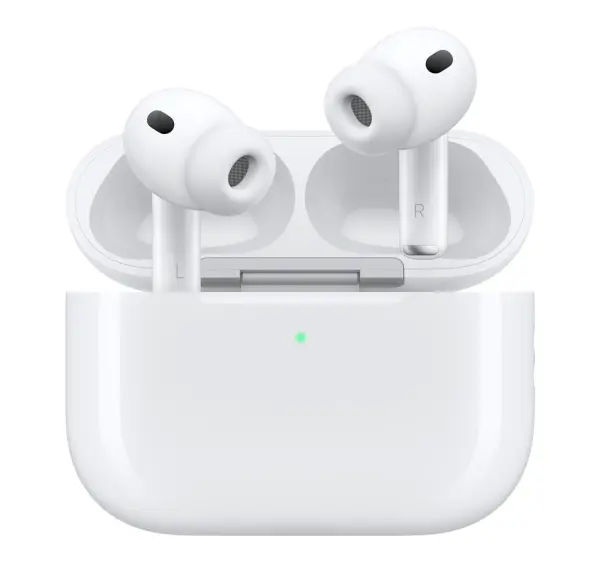
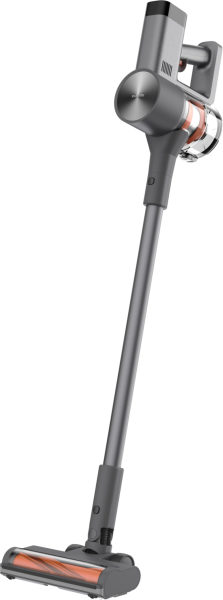
The product page carries a price chart with the lowest and highest points labelled. For Apple AirPods 4 (prix en cours de relevé), JBL Flip 7 (prix en cours de relevé) or Xiaomi Vacuum Cleaner G20 Max (prix en cours de relevé) it shows whether today's price is a drop or the usual level.
A measured drop versus a shop's discount
Deals of the day are offers from rated shops whose price we measured lower than before; we state the amount and the percentage. A shop's struck-through 'original price' is never taken over.
A shop's 40 % off on a price equal to the one two weeks ago is zero for us.
Advice for November
Open the chart already in October; whoever knows the usual price spots a discount at once. Buy when the total is below the 30-day minimum and the shop carries a rating.
Count shipping too: 200 CZK off with 149 CZK shipping is in fact 51 CZK.
Fordeal touche une commission lorsque vous achetez via un lien ; cela ne change jamais l'ordre des offres. Chaque prix porte son heure de relevé sur la page du produit.