



News
Black Friday 2026: how to tell a real discount
Black Friday falls this year on Friday 27 November 2026. The text is for anyone who wants to buy in the sale without overpaying: it summarises the price a discount must be counted from and describes how we check discounts.
Products in this guide:Apple iPhone 17 Pro 512GB - silver
Prepared by the Banbosh Studio editors with AI from the comparison's data; first published 29 October 2026. Facts checked on 29 October 2026 against the 2 sources listed at the end. Text last updated 29 October 2026.
Happened on 29/10/2026 · Applies from 27/11/2026
- What changed
- The rule is as ČOI states it on 29 Oct 2026: a shop announcing a discount must state it and count it from the lowest price at which it offered and sold the goods in the 30 days before the discount. Per the Czech Trade Inspection (ČOI) the rule also covers general slogans such as "Black Friday" and blanket discounts like "-20% on everything".
- What it means for buying
- A Black Friday discount is real only when the price is below the lowest price of the same goods at the same shop in the 30 days before the sale. A price rise before the sale therefore does not enlarge the discount; the lowest price of that period decides, not the one just before.
- What to do now
- Before 27 Nov, open the price chart of the goods you want and note the lowest price; compare it with the price after the discount in the sale.
Source: ČOI: Nejčastější otázky týkající se slev (§ 12a zákona o ochraně spotřebitele)
The short answer
A discount is real when the resulting price is below the lowest price of the same goods at the same shop in the last 30 days before the discount. The shop must count the percentage from exactly that price; the price of the previous week or the "recommended manufacturer price" must not be used.
- The rule does not cover personal discounts, quantity-linked offers ("2+1", "discount on buying 3") and goods that spoil quickly.
- Our price history starts for most products at the turn of September and October 2026; we do not know the price for earlier days.
What you see and what it means
- On the tag: A discount percentage and the lowest 30-day price
- What it means: The shop meets the rule; the discount is counted from the stated priceWhat to do: Compare it with the price chart
- On the tag: A discount percentage without the lowest 30-day price
- What it means: The shop probably breaks the ruleWhat to do: Check the chart; you can file a complaint with ČOI
- On the tag: "2+1 free" or "discount on buying 3"
- What it means: The 30-day rule does not applyWhat to do: Recalculate the price per item
- On the tag: A long-standing price with a higher one struck through
- What it means: The struck-through price may be just a recommended priceWhat to do: Compare with other shops
Decision flow: is the discount real
Does the tag state the lowest price of the last 30 days?
Yes → Compare it with the price chart here or at the shop and go to the next question.
No → The rule may not apply to the goods (2+1, personal discount); otherwise the shop breaks it.
Is the resulting price below the lowest price in the chart over the last 30 days?
Yes → The discount is real; also compare the price with shipping at other shops.
No → The discount is just a struck-through price. Wait, or buy elsewhere.
What a discount is counted from
Directive (EU) 2019/2161 (Omnibus) inserted Article 6a into Directive 98/6/EC: any announcement of a price reduction must indicate the prior price, the lowest price the trader applied during at least 30 days before the reduction. In Czechia this is set by Section 12a of Act No. 634/1992 Coll. on consumer protection.
ČOI states on its pages that any information creating the impression of a price reduction counts as a discount notice, the slogan "Black Friday" included. The duty applies in a shop and in an e-shop, and to blanket discounts like "20% off everything"; the lowest 30-day price is then stated on the tags of individual products.
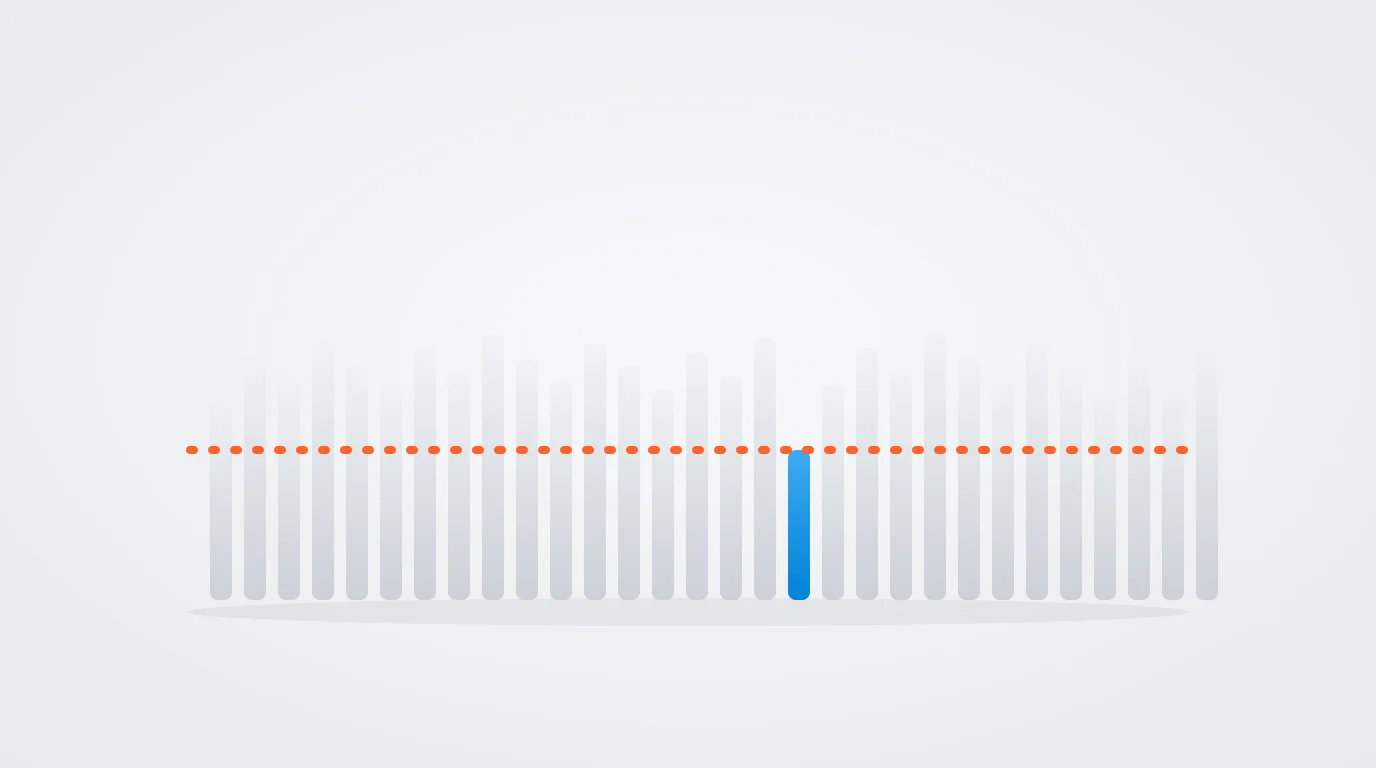
An example with made-up numbers: a product cost 1,000 CZK, sold for 10 days at 800 CZK, then at 1,000 CZK again, and has been on sale since at 700 CZK. The shop must state the lowest price of the 30 days, 800 CZK, and the discount is 12.5%, not 30%.
What the rule does not cover
Per ČOI the duty does not apply to personal discounts (birthdays, points, a coupon you bought), quantity-linked offers and goods that spoil quickly. For goods discounted because of a defect the lowest price of the flawless product need not be stated.
For discounts whose size rises step by step without a break, the lowest price is counted before the first application of the discount.
What a price without a discount looks like in the chart
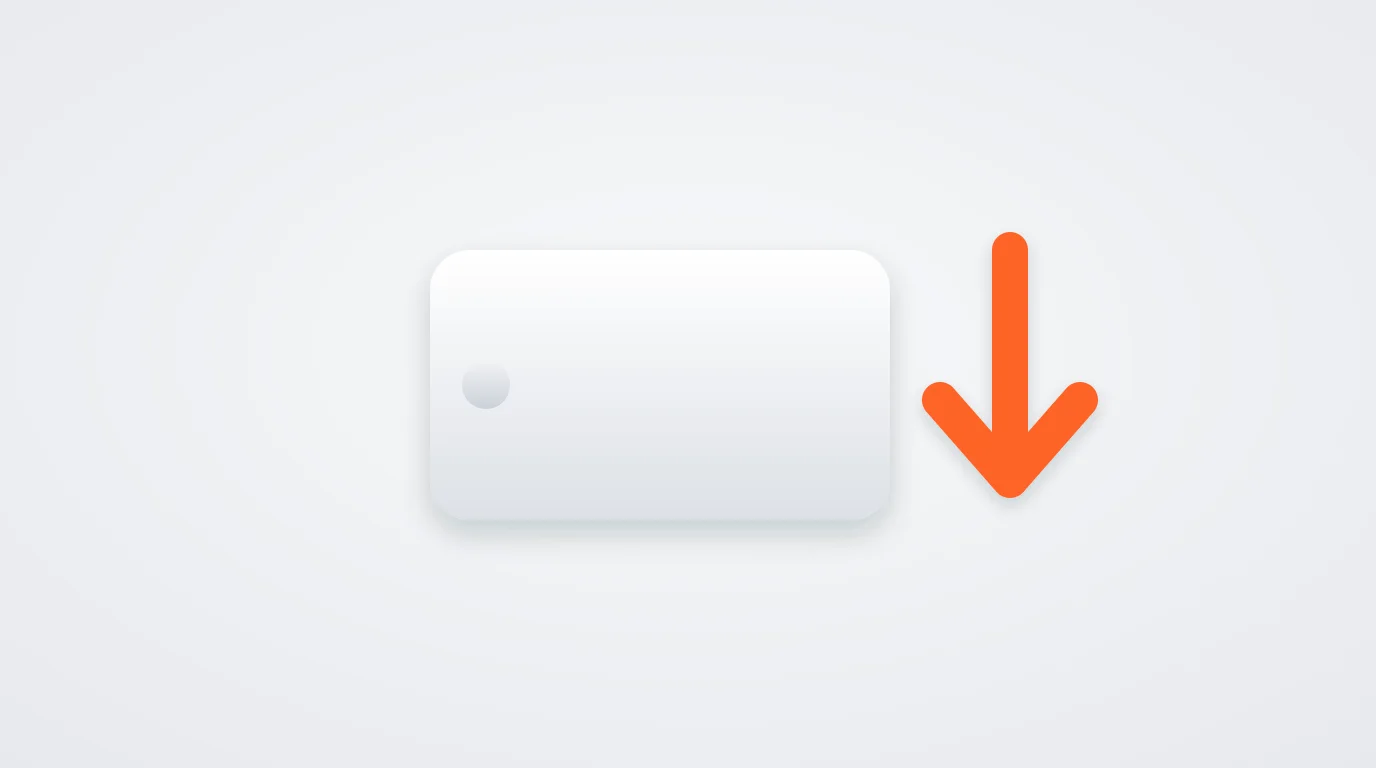
The chart shows the lowest price captured on each day. When prices move, you can tell whether a struck-through price matched a real price in the past. In both examples below the price has not changed since tracking began: if such a product got a discount in November, it would have to be counted from this price.
How we check discounts
We store each offer's price twice a day. You see a discount from us only when we can count it against the offer's lowest price of the last 30 days that we captured; until then we show the shop's previous price and say explicitly that it is unverified. For most tracked products our records start between 1 and 10 October 2026, so the 30-day basis will exist for them by 27 Nov; not for offers added later.
Our verdict: buying in the sale is reasonable when the price is below the lowest price in the chart over the last 30 days; otherwise the discount percentage is the shop's figure, not our finding.
Who it is for
- You plan to buy electronics or an appliance in the sales around 27 November.
- You decide by the discount percentage and want to know what it is counted from.
- You want to know when to file a complaint with ČOI.
Watch out for
- A discount percentage without the lowest 30-day price on the tag.
- A discount counted from a price that applied only briefly before the sale, or from a "recommended price".
- A discount smaller than shipping or surcharges is not a saving; compare the goods price and shipping separately.
- A countdown ("the offer ends in 2 hours") without a look at the price chart.
Frequently asked questions
- What must a shop count a Black Friday discount from?
- From the lowest price at which it offered and sold the goods in the 30 days before the discount. It must state it on the tags of individual products.
- Does the rule apply to the slogan "Black Friday" without a percentage?
- Yes. Per ČOI any information creating the impression of a price reduction is a discount notice, general slogans such as "sale" and "Black Friday" included.
- What does the rule not cover?
- Personal discounts, quantity-linked offers ("2+1", "discount on buying 3") and goods that spoil quickly.
- What if the shop does not state the lowest price?
- Check the price chart and buy elsewhere, or file a complaint with ČOI.